
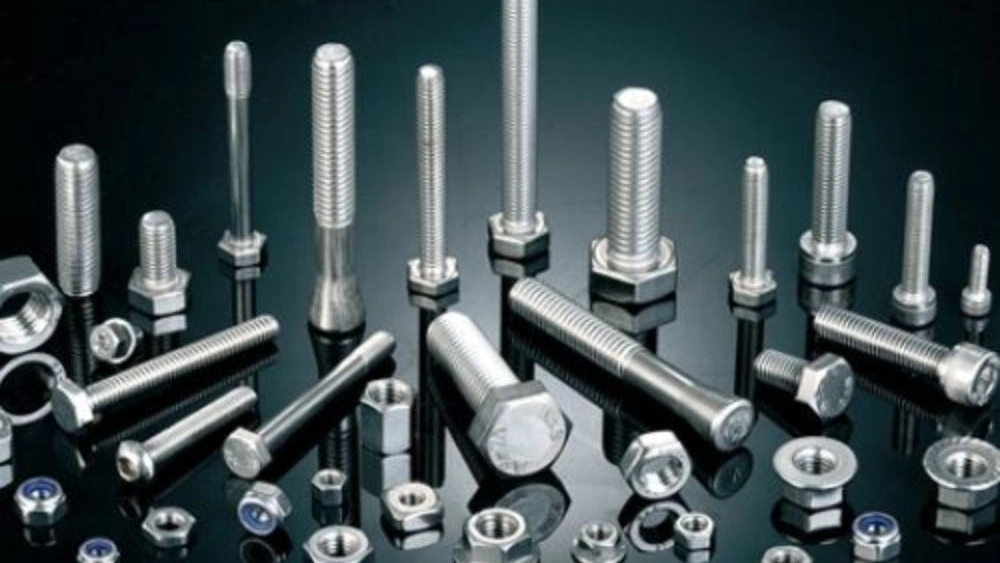
steel bolts, so -called dry bolts, are among the most durable bolts of different types and models. These types of fittings are often made of anti -anti -steel alloy, compounding elements such as carbon, nitrogen, aluminum, silicone, sulfur, nickel, copper, titanium, and so on. Stainless steel is a family of iron -based alloys that the presence of chemicals in its composition has resistant to rust and heat.
What is a dry screw?
One of the most widely used screws in the market is the dry screw. The main material of this screw is steel carbon. The screw is a cylinder and has a screw snake grooves. It is distinct for hard and soft materials. The word dry is synonymous with the word steel in Farsi. Therefore, the dry screw is the same as the steel screw. The screws, although not much attention and do not seem to be important, are honored in the construction industry, entertainment, furniture, so on. Are used to connect any type of device. This small, small connector literally puts everything together. So choosing and working with appropriate materials is very important.
How to produce dry bolts
The production of all types of screws and beads is made of metal, and only a limited number of them are decoratively produced using wood. Dry bolts are one of the metal types. In this type of bolt, stainless steel is used. But this does not mean that this steel is pure. Because the screws and beads are made of different alloys. This issue is due to maintaining the economy, along with the desired quality of the products.
Bolt
we call steel bolts dry. But the amount of alloy compounds in each type of bolts varies according to the application. Another effective case in the bolt compounds is its grade. Grade bolts indicate its quality and resistance to pressure. Therefore, it is also important for consumers. Since the bolt has a direct effect on its resistance, it will have a huge impact on its application. For example, the screw used in the automotive industry has a relatively different type of dam. Therefore, you should consider the bolts according to your need.
What is Grade?
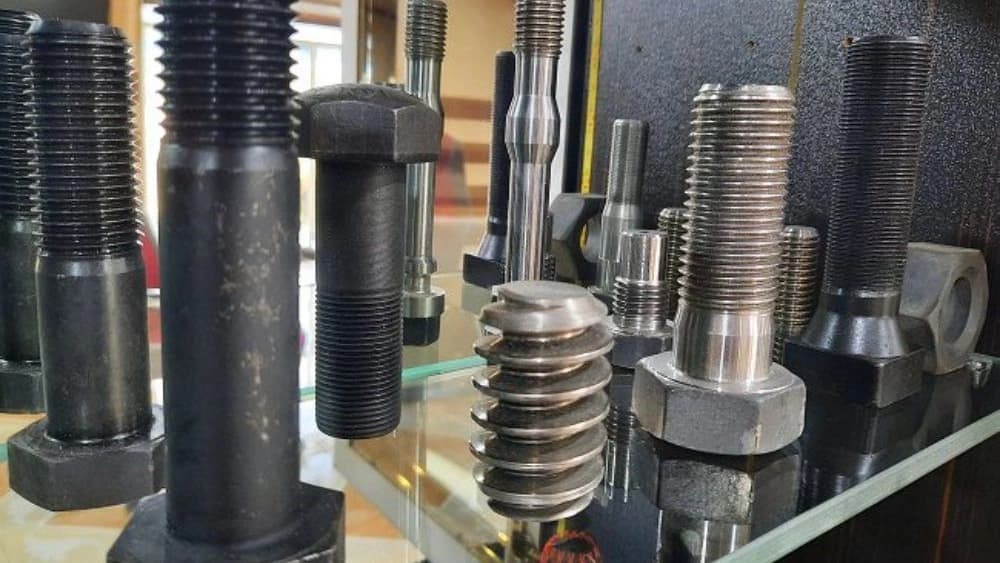
Grade or Class of a screw expresses the amount of strength and hardness, strength and tolerance of the screw load. Grade 8.8 is able to withstand 80 kg weight. Dry screws are 80 kg per square meter of their cross -section, which is about 30 kg more than the iron screws.
The resemblances and differences of dry and iron screws
Similarities Both carbon and iron screws are made of low resistance to external factors, so they add different coatings to increase the resistance of these screws.
Differences The difference between dry and iron screws is in the carbon concentration used. The concentration of carbon consumed in the dry screw is higher than the iron screw. As a result, dry screw has more strength and less flexibility and flexibility.
The benefits of the screw are dry
1. Speed and Easy Installation:
Dry screws are quickly and easily placed on walls and ceilings due to its specific shape, and there is no need to put the screw before assembly.
2. No need to take pre -harvesting:
Dry screws are easily installed on dry walls and plaster, without the need for previous harvesting, as the wall is dry increases the speed of the screw.
1. More stability:
Dry screws due to the hexagon head, more resistant to lateral forces than the flat head screws, which causes dry leaves and plaster to be mounted stronger on the walls.
1. More coverage:
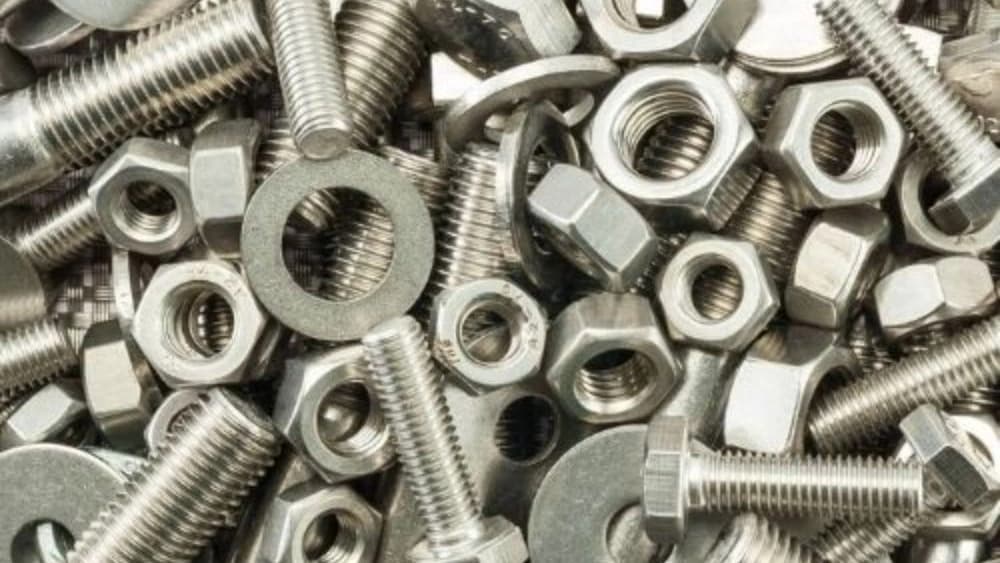
Dry screw, because of its specific shape and structure, is the best option for installing dry leaves and plaster because it retires the wall and helps to cover more materials in the wall.
1. Easy Use:
Dry screws are ideal for use in any type of construction project and are recognized as one of the essential tools in the construction industry.